This guide helps you shape the living experience you want from your home, from first arrival
moments to daily comfort and peace of mind. Use it to define priorities and prepare for a
detailed design consultation.
What this guide covers
How each system improves everyday living
Comfort, wellness, security, and entertainment experiences
A service approach that keeps your home effortless over time
Who it is for
Private villa and penthouse owners
Family offices and estate managers
Architects, interior studios, and developers
How to get best value
Start with lifestyle outcomes, not devices
Prioritize convenience in your highest-use spaces
Phase features around your family routines and hosting style
Contents
Why a smart home OS matters
Design-first planning and scope
Lighting and scenes
Security and peace of mind
Audio, video, and entertainment
Remote access and voice
Network, privacy, and resilience
Connected devices and future expansion
Delivery journey with Redwood
Consultation checklist and notes
Volume II | 03
Foundation
Why start with a smart home OS?
Premium homes often include excellent standalone products, but fragmented controls create daily
friction. A unified operating layer gives every member of the household one consistent
experience.
What a Control4-centered platform enables
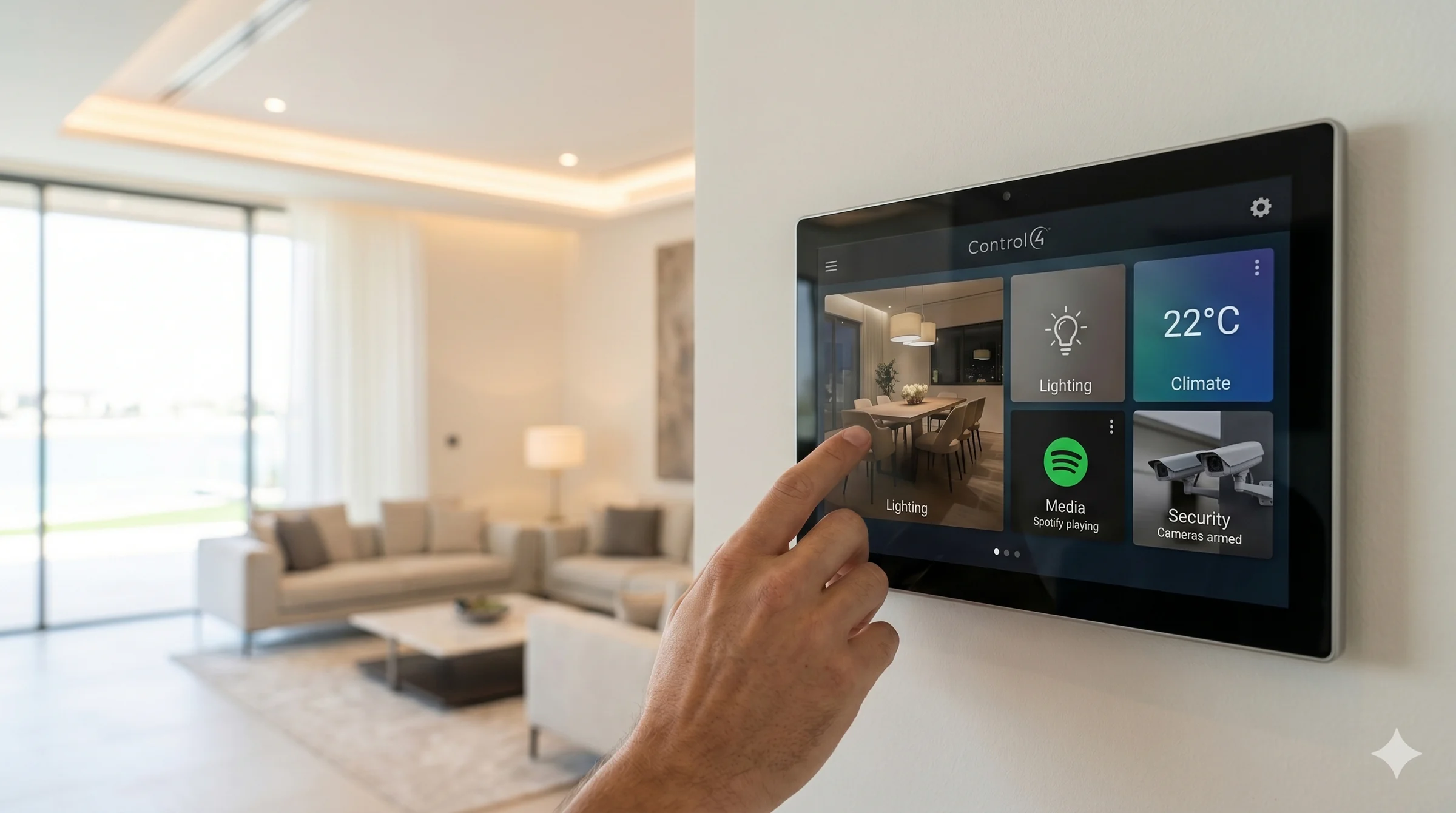
One intuitive interface for lighting, climate, media, and security
Personalized scenes that match your routines and schedule
Secure remote access for confidence when you are away
Professional support for a consistently smooth experience
Redwood recommendation: define your desired daily experiences first, then map devices and brands
to those outcomes.
Volume II | 04
Planning
Design-first planning for luxury projects.
In high-value residences, technology should disappear into the design while making each room
easier, calmer, and more enjoyable to use.
Before design freeze
Identify spaces that require effortless one-touch control
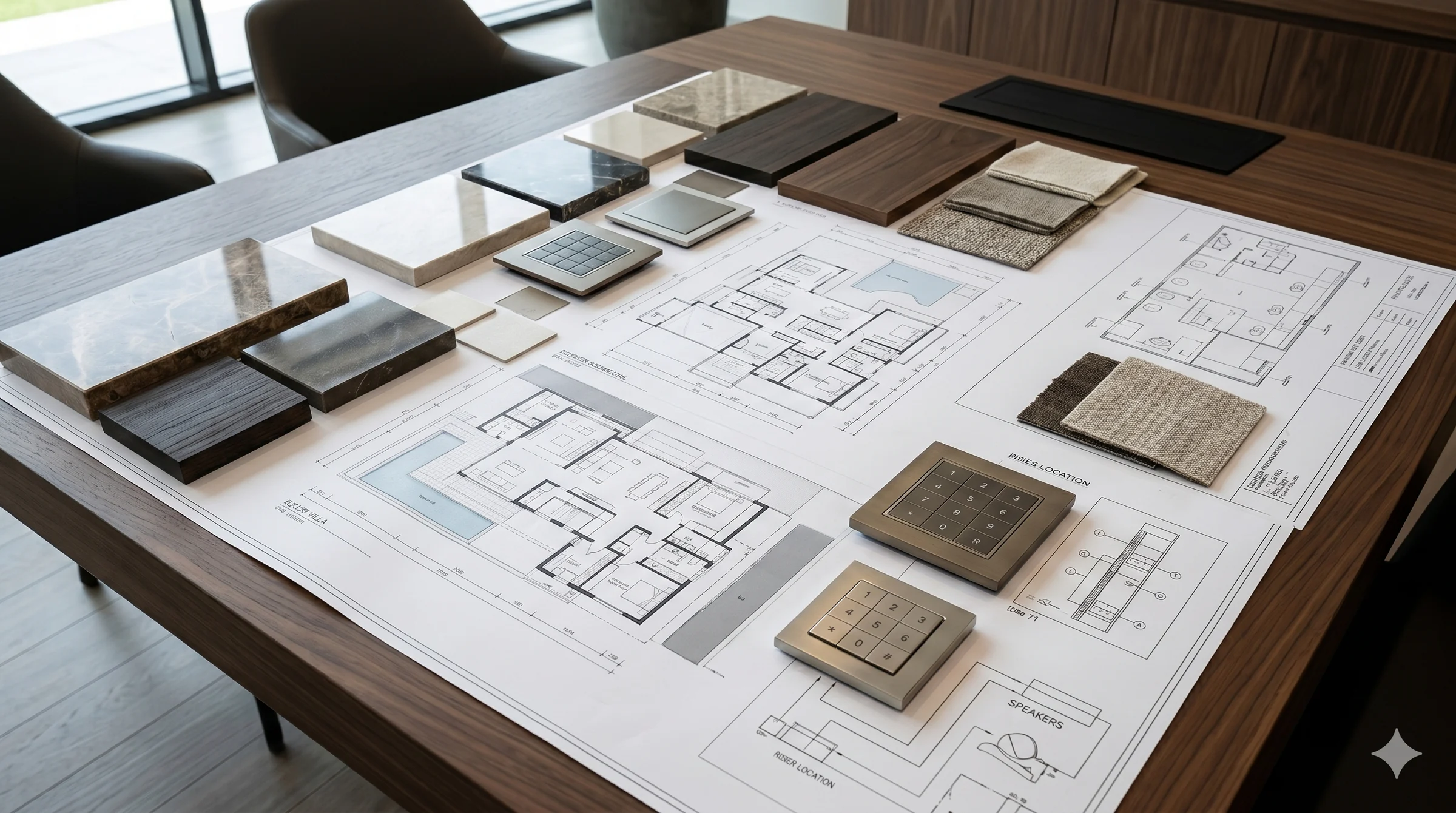
Agree rack, riser, and cabling strategy with MEP and fit-out teams
Plan hidden speakers, sensors, and keypads before finishes
Before procurement
Confirm approved brands and interoperability matrix
Set target budgets by room, phase, and experience tier
Define aftercare expectations and response SLAs
Volume II | 05
Lighting
Lighting that shapes mood, rhythm, and safety.
Smart lighting is the fastest way to elevate daily living. Beyond dimming, it coordinates scenes
across lights, shades, climate, and security.
Arrival scene
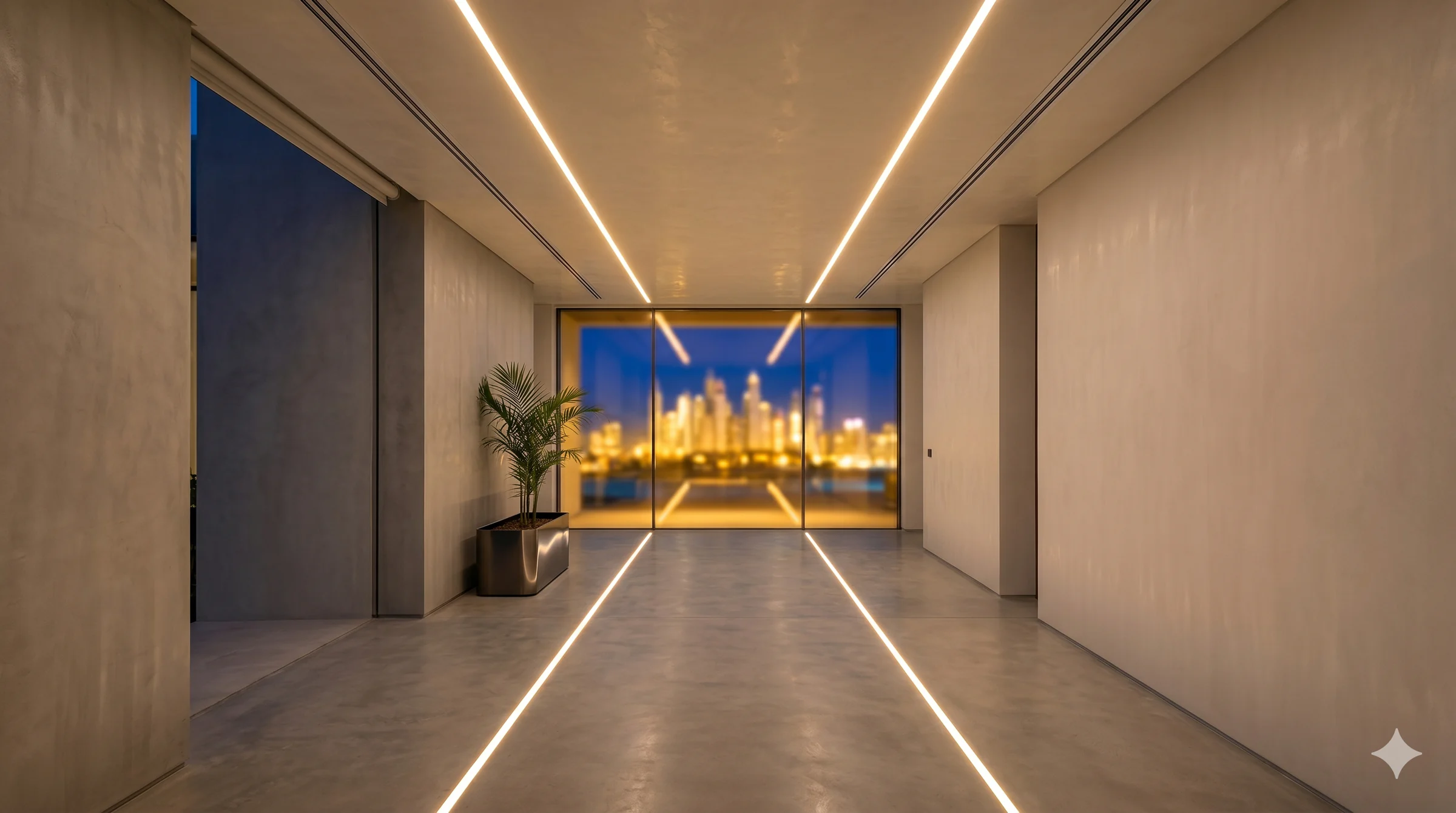
Driveway, entrance, and foyer activate in sequence as you arrive.
Evening mode
Layered accent lighting with warm color temperature for relaxation.
Night pathway
Low-level circulation lights for safe movement without glare.
Away simulation
Occupancy patterns run automatically to protect the property.
Questions to decide the right approach
Which rooms do you use most in morning, evening, and late night?
Do you prefer engraved keypads, touch panels, or app-first control?
Where should lighting trigger security, privacy, or climate actions?
Volume II | 06
Security
Security that feels discreet, not intrusive.
Security in a smart home should be calm, accurate, and easy to trust: clear alerts, meaningful
automation, and privacy controls that are transparent to the owner.
Typical security layers
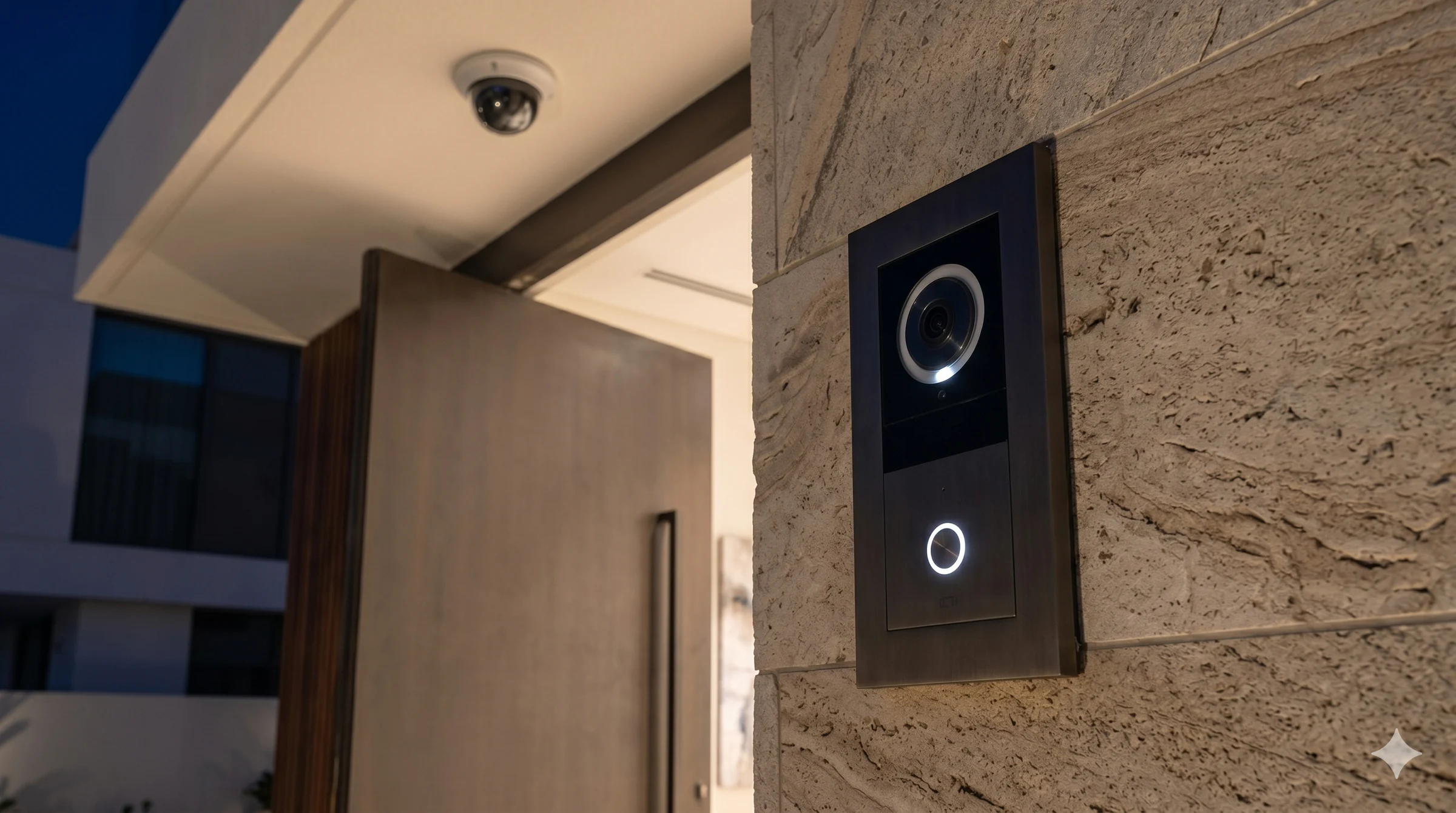
Perimeter: gates, doors, contact sensors, and outdoor cameras
Interior: motion, occupancy logic, and sensitive zone controls
Lifestyle: family routines, guest access windows, and staff access
Recommended outcomes
Actionable notifications with no false alarm fatigue
One-screen visibility for locks, cameras, and alarm status
Scheduled privacy modes for occupied and unoccupied periods
Volume II | 07
Entertainment
Audio and video, tailored room by room.
Entertainment should transition seamlessly from intimate family use to large-scale hosting while
preserving design aesthetics and acoustic quality.
Smart Audio
Distributed music with independent room control
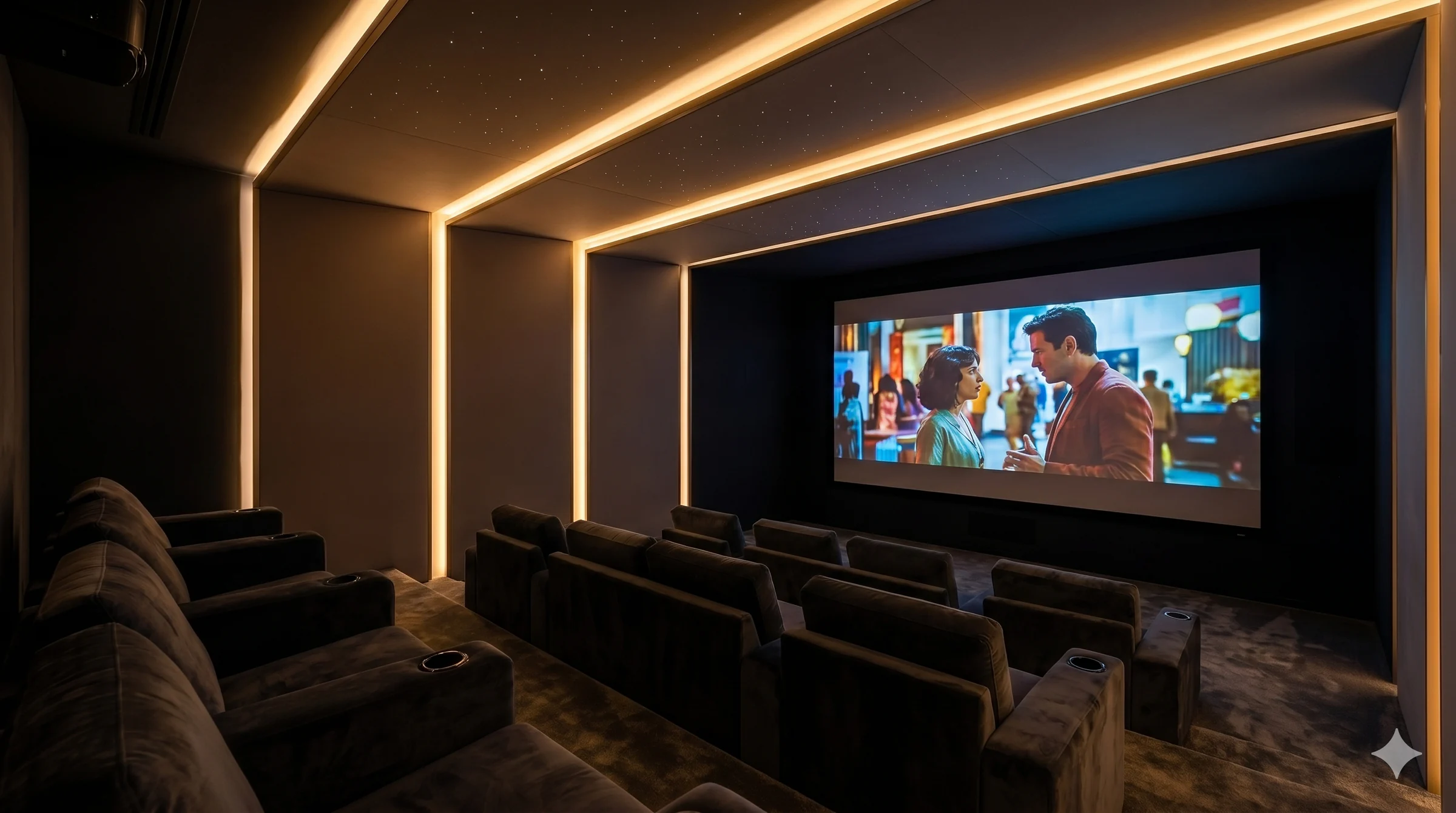
Dedicated cinema or media room performance tuning
Outdoor zones for terrace, garden, and pool experiences
Smart Video
Unified source access across living, bedrooms, and lounge areas
One-button movie scenes with lighting and shading integration
Clean cable management with hidden equipment architecture
Volume II | 08
Daily Control
Remote access and voice without complexity.
Whether you are at home, in transit, or overseas, the system should let you verify status and
adjust critical functions with confidence.
Remote essentials
Locks, gates, cameras, climate, and key scenes from one app.
Smart alerts
Event-triggered notifications for arrivals, open zones, and abnormal conditions.
Voice control
Simple spoken commands for routine comfort and convenience moments.
Redwood recommendation: apply tiered access rights for family, guests, and staff to protect
privacy while maintaining ease of use.
Volume II | 09
Infrastructure
Your network is the real backbone.
Every effortless interaction, from instant app response to uninterrupted streaming, depends on a
resilient wired and wireless foundation built for your home.
Core components
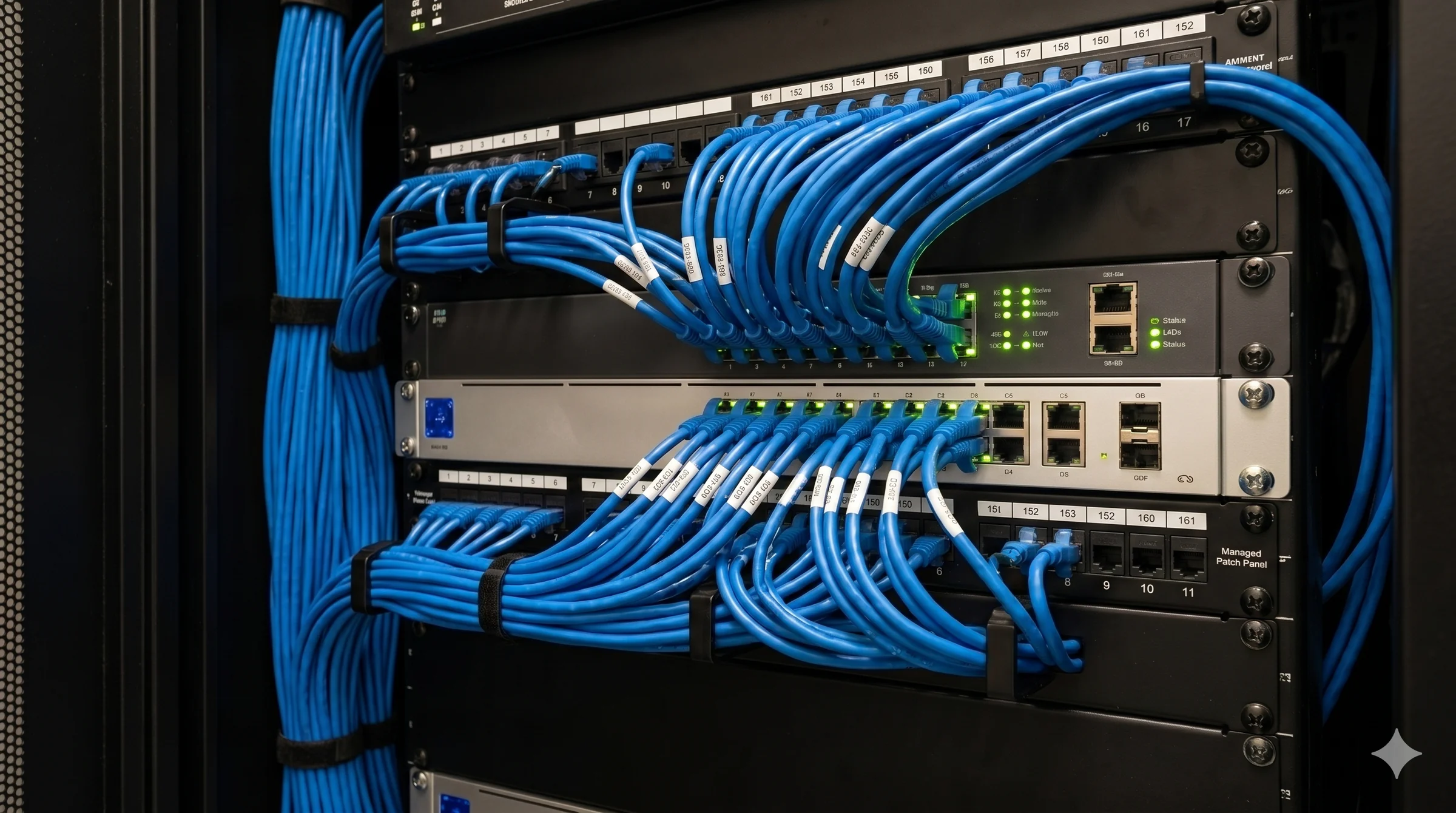
Router, managed switches, and segmented VLAN strategy
Ceiling-mounted access points with full coverage planning
Power management and monitored equipment rack health
Privacy and continuity
Secure remote support with controlled permissions
Audit trails for key user and system events
Maintenance cadence for firmware and cybersecurity updates
Volume II | 10
Ecosystem
Connected devices and future growth.
Open-platform integration keeps your home adaptable as your routines and priorities change. The
objective is not to connect everything immediately, but to build a roadmap that remains clear and
user-friendly over time.
Common integrations
Shading and drapery controls
HVAC and indoor air quality systems
Irrigation, pool, and outdoor environment controls
Appliance, utility, and energy monitoring layers
Expansion strategy
Phase 1: core backbone and high-use spaces
Phase 2: security, comfort, and remote workflows
Phase 3: specialty zones and personalized automations
Annual review: optimize based on real household behavior
Volume II | 11
Delivery
The Redwood delivery journey.
A white-glove process from discovery to long-term aftercare.
01
Discovery consultation
Lifestyle mapping, priorities, and experience definition.
02
Concept and proposal
System architecture, phased options, and investment clarity.
03
Coordination and implementation
Technical design, site coordination, installation, and programming.
04
Commissioning and handover
Testing, walkthrough training, and user personalization.
05
Aftercare and optimization
Support, updates, and iterative refinements based on use patterns.